Massachusetts
قالب مخطط الضرائب لـ Massachusetts
تنظيم التخطيط الضريبي الفيدرالي وماساتشوستس الخاص بك في Google Sheets. تتبع الدخل والضريبة الإضافية للدولة للدخل المرتفع.
In Depth
ماساتشوستس - ضريبة موحدة مع لفافة ضريبة إضافية
كانت ماساتشوستس تاريخياً لديها ضريبة دخل موحدة بسيطة - نفس المعدل على كل دولار من الدخل الخاضع للضريبة. تغير هذا مع إقرار تعديل دستوري يضيف ضريبة إضافية على الدخل فوق عتبة عالية (معدلة سنوياً للتضخم). هذه "ضريبة المليونير" تخلق فعلياً نظاماً ثنائي المستويات. بالنسبة لمعظم السكان، ينطبق المعدل الموحد لا يزال على جميع الدخل. لكن بالنسبة لأولئك الذين يتجاوز دخلهم الخاضع للضريبة العتبة، كل دولار فوقها يواجه المعدل المجمع.
إحدى خصوصيات القانون الضريبي في ماساتشوستس هي معاملة أرباح رأس المال قصيرة الأجل. يتم فرض ضريبة على الأرباح من الأصول المحتفظ بها لأقل من سنة بمعدل أعلى من المعدل الموحد القياسي - وهو تمييز لا تفعله معظم الولايات. يتم فرض ضريبة على أرباح رأس المال طويلة الأجل (المحتفظ بها سنة أو أكثر) بالمعدل الموحد العادي. بالنسبة للمتداولين النشطين أو أي شخص يمارس خيارات الأسهم بفترات احتفاظ قصيرة، فإن هذا الفارق هو اعتبار تخطيط كبير.
لا تسمح ماساتشوستس بضرائب دخل محلية، مما يحافظ على البنية أبسط من ولايات مثل ماريلاند أو أوهايو حيث تضيف الطبقات المحلية تعقيداً. تختلف ضرائب العقارات حسب البلدية - يمكن للمجتمعات في منطقة بوسطن الكبرى أن تمتلك معدلات مختلفة بشكل كبير. الضمان الاجتماعي معفى من ضريبة الدولة، وينال دخل المعاشات القائمة على المساهمات معاملة مواتية جزئياً. يتم ربط عتبة الضريبة الإضافية بالتضخم، بحيث ينقل المبلغ بالدولار كل عام.
Massachusetts
التخطيط الضريبي في ماساتشوستس
ماساتشوستس لديها معدل ضريبة دخل موحد بالإضافة إلى ضريبة إضافية على الدخل الذي يتجاوز عتبة عالية. هذه "ضريبة المليونير" تضيف تعقيداً لسكان الدخل المرتفع.
ضريبة موحدة بالإضافة إلى ضريبة إضافية
تطبق ماساتشوستس معدل ضريبة دخل موحد على معظم الدخل. تنطبق ضريبة إضافية على الدخل فوق عتبة عالية (معدلة سنوياً للتضخم)، مما يخلق فعلياً نظام ضريبي ثنائي المستويات لذوي الدخل المرتفع.
أرباح رأس المال قصيرة الأجل
تفرض ماساتشوستس ضريبة على أرباح رأس المال قصيرة الأجل (المحتفظ بها لأقل من سنة) بمعدل أعلى من معدل ضريبة الدخل القياسي. تُفرض الأرباح طويلة الأجل بالمعدل الموحد العادي.
دخل التقاعد
لا تفرض ماساتشوستس ضريبة على مزايا الضمان الاجتماعي. معظم دخل المعاشات من الخطط القائمة على المساهمات خاضع للضريبة جزئياً. قد يكون دخل معاشات الحكومة معاملة مختلفة حسب المصدر.
لا ضريبة دخل محلية
لا تسمح ماساتشوستس بضرائب الدخل المحلية. معدل الولاية (بالإضافة إلى الضريبة الإضافية إن أمكن) هو ضريبة الدخل الوحيدة التي يحتاج السكان للتخطيط لها.
احصل على مخطط الضرائب السنوي
البدء
استخدام مخطط الضرائب كمقيم في ماساتشوستس
أدخل الدخل وفصل أرباح رأس المال قصيرة الأجل
أضف جميع مصادر الدخل - الأجور والعمل الحر والاستثمارات وتوزيعات التقاعد. تفرض ماساتشوستس ضريبة على معظم الدخل بمعدل موحد 5%، لكن أرباح رأس المال قصيرة الأجل (الأصول المحتفظ بها لأقل من سنة) تخضع للضريبة بنسبة 8.5%. إدخال الأرباح قصيرة الأجل بشكل منفصل عن دخل الاستثمار الآخر يمنحك توقعاً أدق لضريبة الدولة.
تحقق من عتبة ضريبة المليونير الإضافية
تفرض ماساتشوستس ضريبة إضافية بنسبة 4٪ على الدخل الخاضع للضريبة فوق عتبة عالية (معدلة سنوياً للتضخم). إذا كان إجمالي دخلك يقترب من هذه العتبة أو يتجاوزها، تتبعه بعناية - تنطبق الضريبة الإضافية على كل دولار فوق الخط، مما قد ينتج عنه قفزة كبيرة في معدل الضريبة الفعلي للدولة.
مراجعة معاملة دخل التقاعد
لا تفرض ماساتشوستس ضريبة على مزايا الضمان الاجتماعي. دخل المعاشات القائمة على المساهمات (حيث ساهمت في الخطة بدولارات ما بعد الضريبة) قد يكون معفياً جزئياً أو كاملاً حسب المبلغ الذي ساهمت به مقابل ما تتلقاه. لدخل معاشات الحكومة قواعد محددة حسب المصدر. أدخل كل نوع من دخل التقاعد بشكل منفصل لتمييز الأجزاء الخاضعة للضريبة عن المعفاة.
لاحظ عدم وجود ضرائب دخل محلية
بخلاف ولايات مثل ماريلاند أو أوهايو، لا تسمح ماساتشوستس بأي ضرائب دخل محلية أو من المقاطعة. معدل الولاية (بالإضافة إلى الضريبة الإضافية إن أمكن) هو ضريبة الدخل الوحيدة. هذا يبسط التخطيط - تحديد التزامك الضريبي لماساتشوستس بالكامل على مستوى الدولة، بدون طبقة محلية للتتبع.
خطط للمدفوعات المقدرة مع مراعاة الفارق في أرباح رأس المال
إذا كان لديك أرباح رأس المال قصيرة الأجل أو دخل قد يدفعك فوق عتبة الضريبة الإضافية، فإن متتبع الدفع المقدر الفصلي يساعدك على الاستمرار. تنطبق عقوبات الدفع الناقص في ماساتشوستس عندما تكون المدفوعات المقدرة غير كافية، والمعدل الأعلى على الأرباح قصيرة الأجل يعني أن الأرباع الثقيلة في الاستثمار قد تتطلب مدفوعات أكبر.
شاهده في العمل
كيف يبدو مخطط الضرائب
تصفح القالب لمعرفة كيفية تتبعه للدخل والاستقطاعات والإعفاءات ومدفوعات الضرائب الفصلية المقدرة.
- لوحة تحكم نظرة عامة على الضرائب السنوية
- تتبع الدخل حسب المصدر
- منظم الاستقطاعات والإعفاءات
- متتبع المدفوعات الفصلية
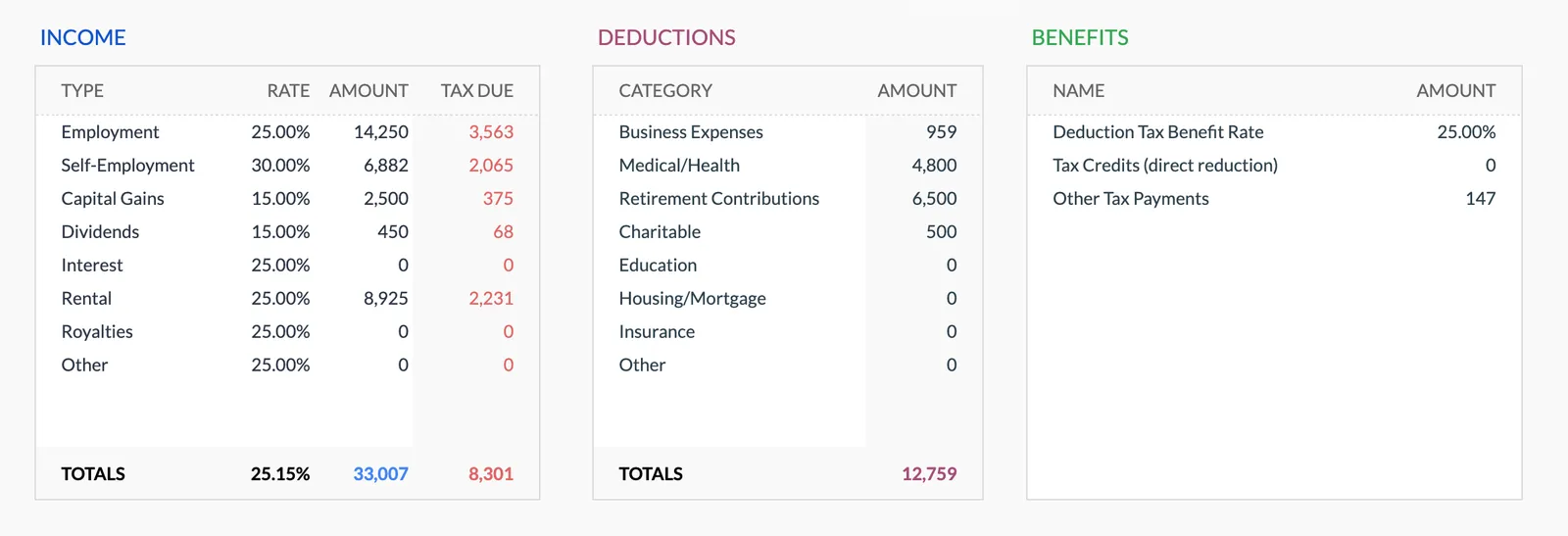
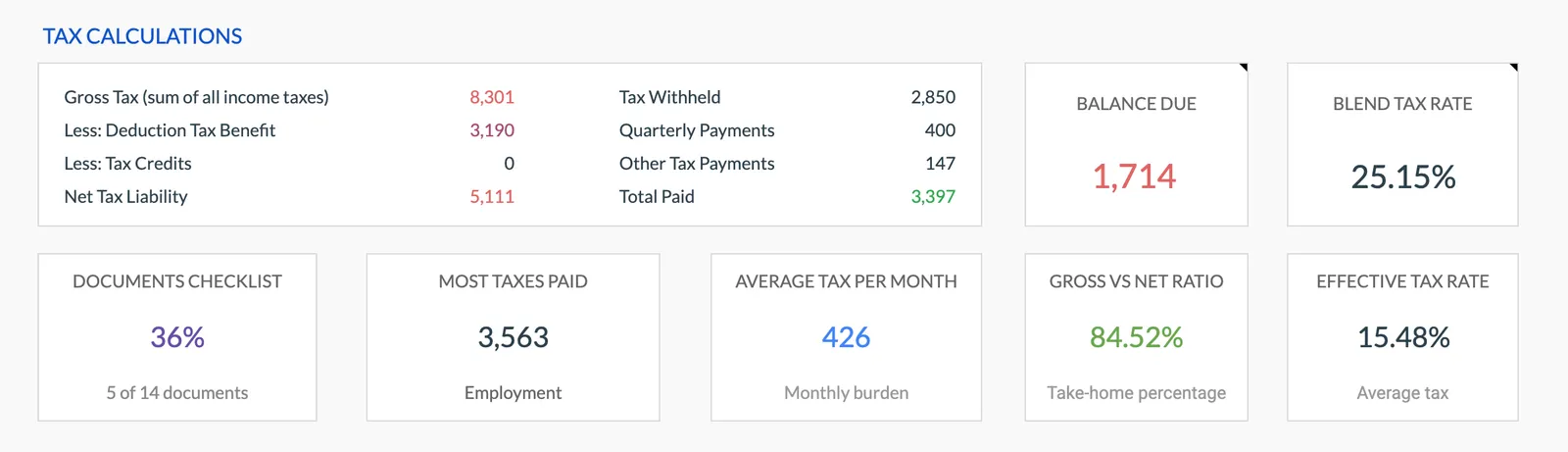
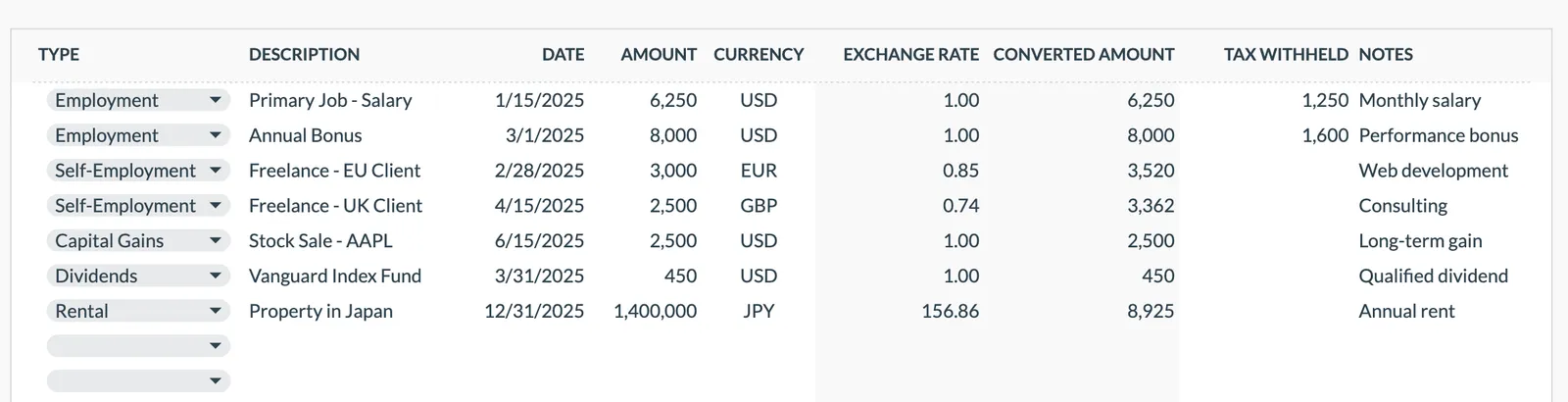
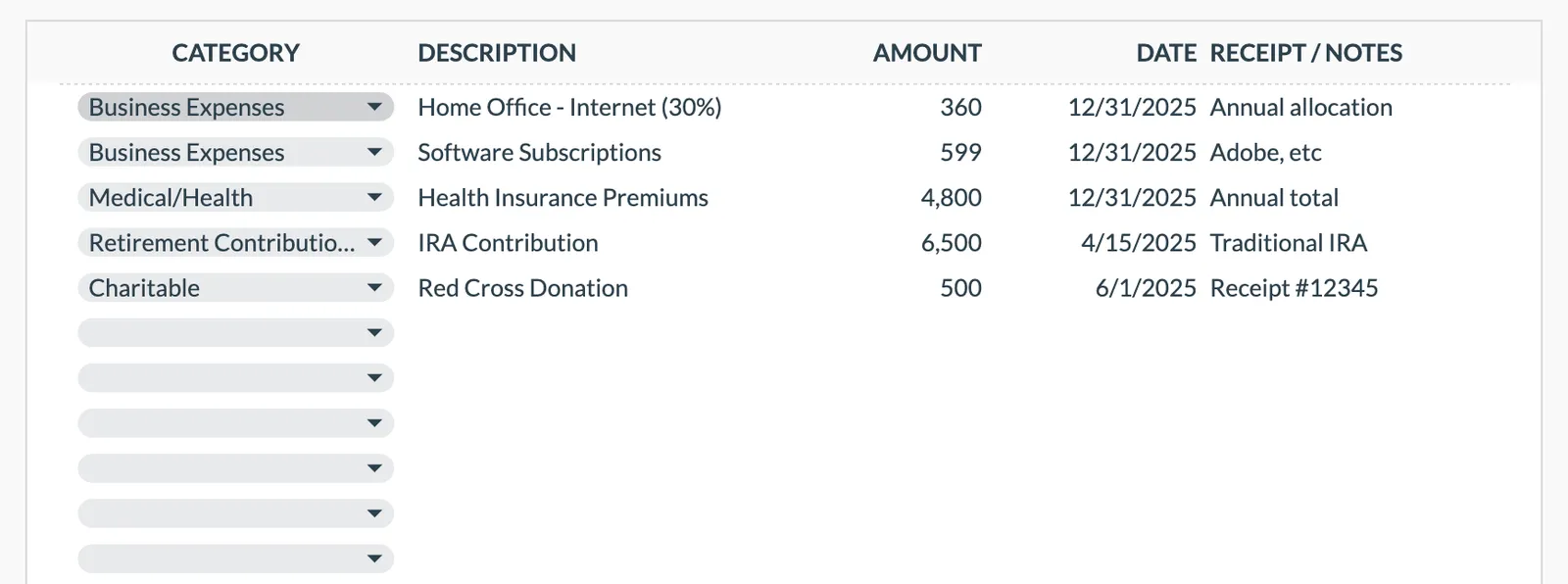
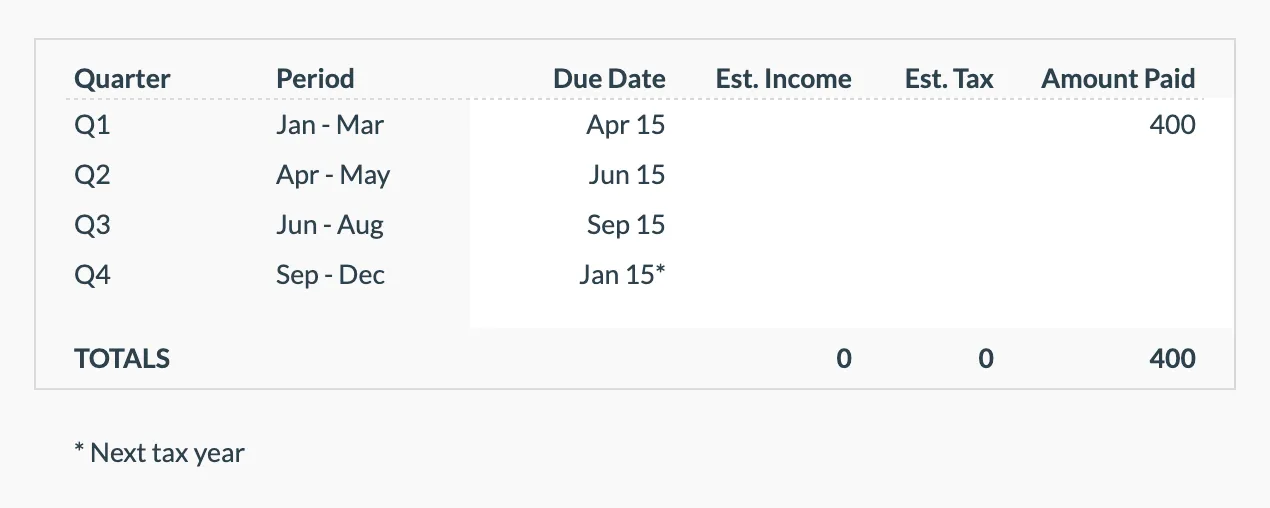
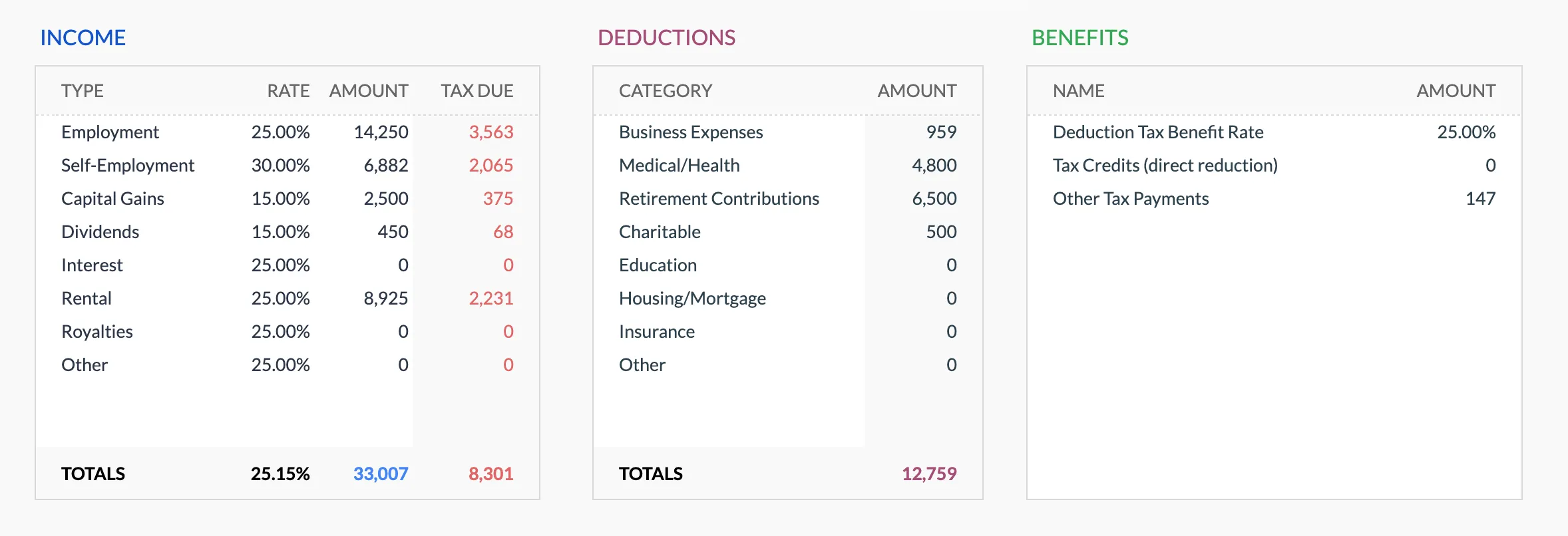
Annual tax overview with key figures
Detailed tax breakdown and projections
Track all income sources for tax purposes
Organize and track tax deductions
Plan and track quarterly estimated tax payments
الأسئلة الشائعة
التخطيط الضريبي في Massachusetts - الأسئلة الشائعة
كيف تعمل ضريبة المليونير الإضافية في ماساتشوستس؟
تفرض ماساتشوستس ضريبة إضافية بنسبة 4٪ [1] على الدخل الخاضع للضريبة الذي يتجاوز عتبة يتم تعديلها سنوياً للتضخم (تم تحديده في الأصل بمبلغ 1 مليون دولار). تنطبق الضريبة الإضافية فقط على الدخل فوق العتبة، وليس على كل الدخل. مع معدل موحد أساسي بنسبة 5٪، يتم فرض ضريبة فعلية بنسبة 9٪ على مستوى الدولة على الدخل فوق العتبة. تم سن هذا من خلال تعديل دستوري وبدأ نفاذه في 2023.
لماذا تفرض ماساتشوستس ضريبة على أرباح رأس المال قصيرة الأجل بمعدل أعلى؟
تفرض ماساتشوستس ضريبة على أرباح رأس المال قصيرة الأجل (من الأصول المحتفظ بها لأقل من سنة) بنسبة 8.5%، مقارنة بالمعدل الموحد 5% على معظم الدخل الآخر. هذه سمة قديمة في قانون الضرائب في ماساتشوستس، وليست شيئاً تفعله معظم الولايات [2]. تخضع أرباح رأس المال طويلة الأجل للمعدل العادي 5%. بالنسبة للمتداولين النشطين أو أي شخص يمارس خيارات الأسهم بفترات احتفاظ قصيرة، يعد هذا الفارق في المعدل اعتبار تخطيط كبير.
هل ماساتشوستس تقنياً دولة ضريبة موحدة أم تصاعدية؟
ماساتشوستس رسمياً ولاية ضريبة موحدة، إذ ينطبق المعدل الأساسي 5% بالتساوي على جميع الدخل المكتسب. ومع ذلك، فإن معدل 8.5% على أرباح رأس المال قصيرة الأجل والضريبة الإضافية بنسبة 4% على الدخل المرتفع ينشئان ما هو فعلياً نظام متعدد المعدلات. يختبره معظم السكان كضريبة موحدة، لكن أصحاب الأرباح الاستثمارية قصيرة الأجل أو الدخول المرتفعة جداً يواجهون معدلات فعلية أعلى.
كيف يتم فرض ضريبة على دخل التقاعد في ماساتشوستس؟
لا يتم فرض ضريبة على مزايا الضمان الاجتماعي في ماساتشوستس. دخل المعاشات القائمة على المساهمات - حيث قمت بمساهمات ما بعد الضريبة للخطة - قد يكون معفياً جزئياً أو كاملاً اعتماداً على المبلغ الذي ساهمت به مقابل ما تتلقاه. معاشات الحكومة (الاتحادية والولائية والبلدية) لها قواعسها الخاصة. دخل المعاشات غير القائمة على المساهمات وتوزيعات 401(k)/IRA يتم فرض ضريبة عليها بشكل عام بمعدل موحد بنسبة 5٪.
هل لماساتشوستس ضرائب دخل محلية أو من المقاطعة؟
لا. لا تسمح ماساتشوستس بأي ضرائب دخل محلية أو من المقاطعة أو البلدية. معدل الولاية الموحد (بالإضافة إلى الضريبة الإضافية إن أمكن والمعدل الأعلى لأرباح رأس المال قصيرة الأجل) يغطي كامل الالتزام الضريبي على دخل الدولة. هذا أبسط من ولايات مثل ماريلاند حيث تضيف ضرائب المقاطعة طبقة كبيرة، ويعني أن ضريبة الدخل في ماساتشوستس الخاصة بك هي نفسها سواء كنت تعيش في بوسطن أو ورسستر أو بيركشاير.
لم تجد الإجابة التي تبحث عنها؟ تواصل مع فريقنا
الموارد الضريبية الرسمية
للاطلاع على المعدلات الحالية والنماذج ومواعيد تقديم الإقرارات الضريبية الخاصة بـ Massachusetts:
Sources
نظّم تخطيطك الضريبي لولاية Massachusetts
شراء لمرة واحدة. بدون اشتراك. بياناتك المالية تبقى في Google Drive الخاص بك.
Tax rules, rates, and contribution limits change, and official publications can themselves lag behind the law in force. We review these figures on a best-effort basis against sources we consider authoritative, but we cannot guarantee they are current, complete, or that better sources do not exist, and nothing here is tax, legal, or financial advice. For decisions, the relevant government authority is the reference. Last reviewed: August 2026.