North Carolina
قالب مخطط الضرائب لـ North Carolina
تتبع التخطيط الضريبي الفيدرالي وضرائب كارولينا الشمالية في Google Sheets. تستخدم كارولينا الشمالية معدل ضريبة موحد انخفض.
In Depth
معدل الضريبة الموحد المتناقص في كارولينا الشمالية
تحولت كارولينا الشمالية من ضريبة دخل تدريجية إلى معدل موحد قبل أكثر من عقد وتقلل هذا المعدل بشكل مستمر منذ ذلك الحين. أدرجت الهيئة التشريعية خفضات مجدولة تقلل المعدل بشكل تدريجي، مشروطة بتحقيق أهداف الإيرادات. جعل هذا كارولينا الشمالية أكثر تنافسية مع جيران الجنوب الشرقي، خاصة مع توسع العمل عن بعد لمجموعة الأشخاص الذين يمكنهم اختيار مكان إقامتهم بناءً على اعتبارات ضريبية جزئياً.
لدى كارولينا الشمالية خصم موحد خاص بها منفصل عن المبلغ الفيدرالي. يختار المقدمون بين ذلك الخصم الموحد والخصومات المفصلة لكارولينا الشمالية، والاختيار مستقل عن الاختيار الفيدرالي. قائمة الولاية للخصومات المفصلة أضيق من الفيدرالية، إذ تغطي فوائد الرهن العقاري المؤهلة وضرائب الملكية العقارية بحد أقصى $20,000 مجتمعة، إلى جانب التبرعات الخيرية والنفقات الطبية ونفقات طب الأسنان وسداد دخل حق المطالبة. وقد ظل الخصم الموحد للولاية عند $12,750 للمقدمين العزاب و $25,500 للمقدمين معاً للسنة الضريبية 2025.
يعتبر اتفاق Bailey ميزة فريدة من قانون كارولينا الشمالية الضريبي. بموجب قرار محكمة، موظفو الحكومة الحكومية والمحلية الذين استحقوا حقوقهم في خطة معاشهم قبل 12 أغسطس 1989 معفيون من ضريبة الدخل في كارولينا الشمالية على دخل التقاعد ذاك. هذا يؤثر على عدد متناقص من المتقاعدين بمرور الوقت، لكنه يبقى ذا صلة لمن يستحقون. بالنسبة للجميع الآخرين، يتم فرض ضريبة على معظم دخل التقاعد (باستثناء الضمان الاجتماعي، الذي معفى تماماً) بمعدل موحد.
North Carolina
التخطيط الضريبي في كارولينا الشمالية
تتمتع كارولينا الشمالية بمعدل ضريبة دخل موحد تم تخفيضه بشكل تدريجي في السنوات الأخيرة. يجعل الهيكل المباشر التخطيط الضريبي بمستوى الولاية بسيط نسبي.
ضريبة الدخل الموحدة
لدى كارولينا الشمالية معدل ضريبة دخل موحد بنسبة 3.99% للسنة الضريبية 2026، انخفاضاً من 4.25% في 2025، مع احتمال خفضات إضافية اعتباراً من 2027 إذا تحققت محفزات الإيرادات. المعدل منخفض مقارنة بمعظم الولايات الأخرى التي تفرض ضريبة دخل [2].
الخصم الموحد
تتمتع كارولينا الشمالية بخصمها الموحد الخاص للعازبين والمتزوجين. هذه المبالغ منفصلة عن الخصم الموحد الفيدرالي.
دخل التقاعد
تفرض كارولينا الشمالية ضريبة على معظم دخل التقاعد بمعدل موحد. استحقاقات الضمان الاجتماعي معفاة من الضريبة الحكومية. قد يكون المستفيدون من اتفاق Bailey (موظفو الحكومة الحكومية/المحلية الذين استحقوا حقوقهم قبل 1 أغسطس 1989) معفيين أيضاً.
لا توجد ضريبة دخل محلية
لا تسمح كارولينا الشمالية بضرائب الدخل المحلية. معدل الولاية الموحد هو الضريبة الوحيدة على الدخل المراد التخطيط لها.
احصل على مخطط الضرائب السنوي
البدء
استخدام مخطط الضرائب كسكان كارولينا الشمالية
أدخل الدخل ولاحظ معدل الضريبة الموحد الحالي
أضف جميع مصادر الدخل إلى النموذج. انخفض المعدل الموحد في كارولينا الشمالية سنة بعد أخرى، لذا تحقق من معدل السنة التي تخطط لها (3.99% للسنة الضريبية 2026 و 4.25% لعام 2025). ونظراً لأن الضمان الاجتماعي معفى على مستوى الولاية، أشر إلى ذلك الدخل بشكل منفصل إذا كان ينطبق.
تطبيق خصم كارولينا الشمالية الموحد حكومي
تتيح لك كارولينا الشمالية الاختيار بين الخصم الموحد للولاية والخصومات المفصلة لكارولينا الشمالية، بشكل مستقل عن الاختيار الفيدرالي. سجل مبلغ كارولينا الشمالية في ملاحظاتك، فهو منفصل عن الرقم الفيدرالي، وقد ظل الخصم الموحد للولاية عند $12,750 للعازبين و $25,500 للمتزوجين معاً للسنة الضريبية 2025. يبدأ دخلك الخاضع للضريبة الحكومية من أي خصم من خصومات كارولينا الشمالية تطالب به.
لاحظ غياب خصم 529
إذا ساهمت في خطة 529، كن على علم بأن كارولينا الشمالية لا تقدم فائدة ضريبية حكومية لهذه المساهمات. يجدر الملاحظة عند مقارنة قيمة مساهمات 529 مع وسائل ادخار أخرى قد توفر فوائد فيدرالية. تتبع مساهماتك في 529 لسجلاتك الشخصية، لكن لا تدرجها في تقديرات الضريبة حكومية.
تتبع الدفعات المقدرة مع انخفاض معدل الضريبة
للدخل من العمل الحر أو الاستثمارات، احسب تقديرات كارولينا الشمالية باستخدام معدل الضريبة الموحد الحالي. إذا بنيت تقديرات السنة السابقة على معدل أعلى، قد تحتاج المبالغ ربع السنوية إلى تعديل نحو الأسفل. تساعد أداة التتبع الفصلية للنموذج في إدارة هذه بجانب الدفعات المقدرة الفيدرالية.
راجع الصورة الفيدرالية وحكومية المدمجة
استخدم لوحة المعلومات للتوقعات الفيدرالية التفصيلية، وقسم الملاحظات لحساب المعدل الموحد الأبسط في كارولينا الشمالية. ولأن اختيار الخصم الحكومي يتم بشكل منفصل عن الاختيار الفيدرالي، فإن التغييرات في استراتيجية الخصم الفيدرالي لا تنتقل تلقائياً، لذا يعمل الحسابان بشكل مستقل إلى حد ما.
شاهده في العمل
كيف يبدو مخطط الضرائب
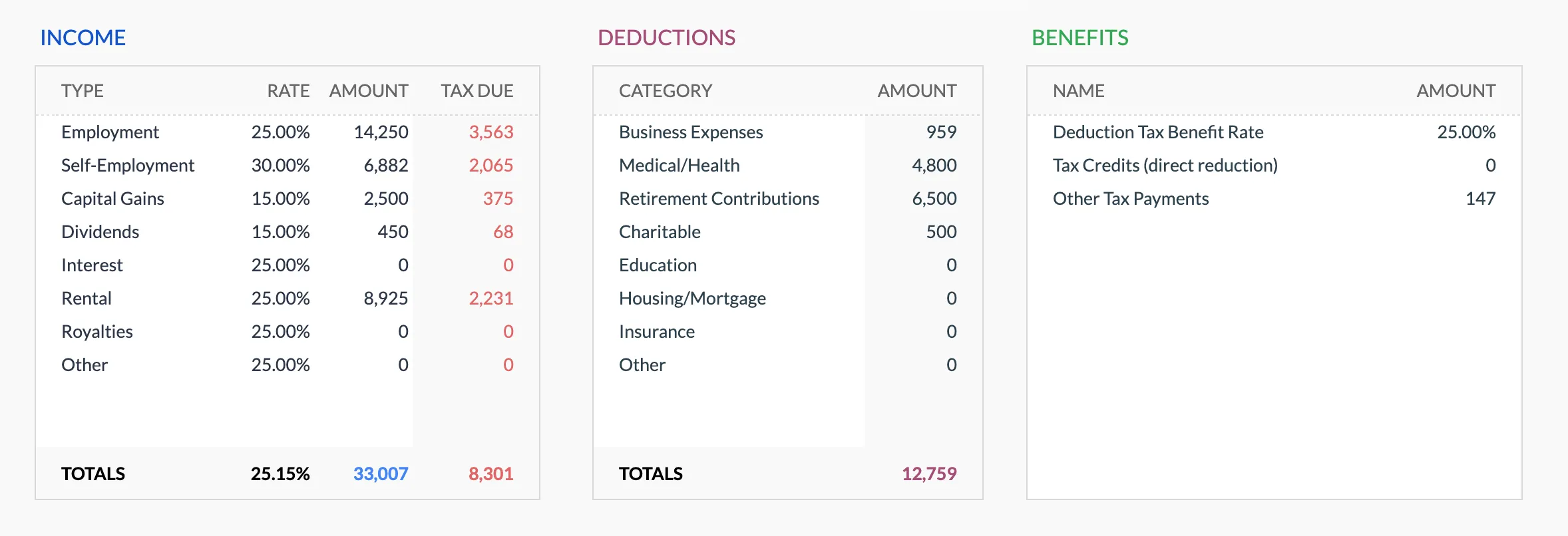
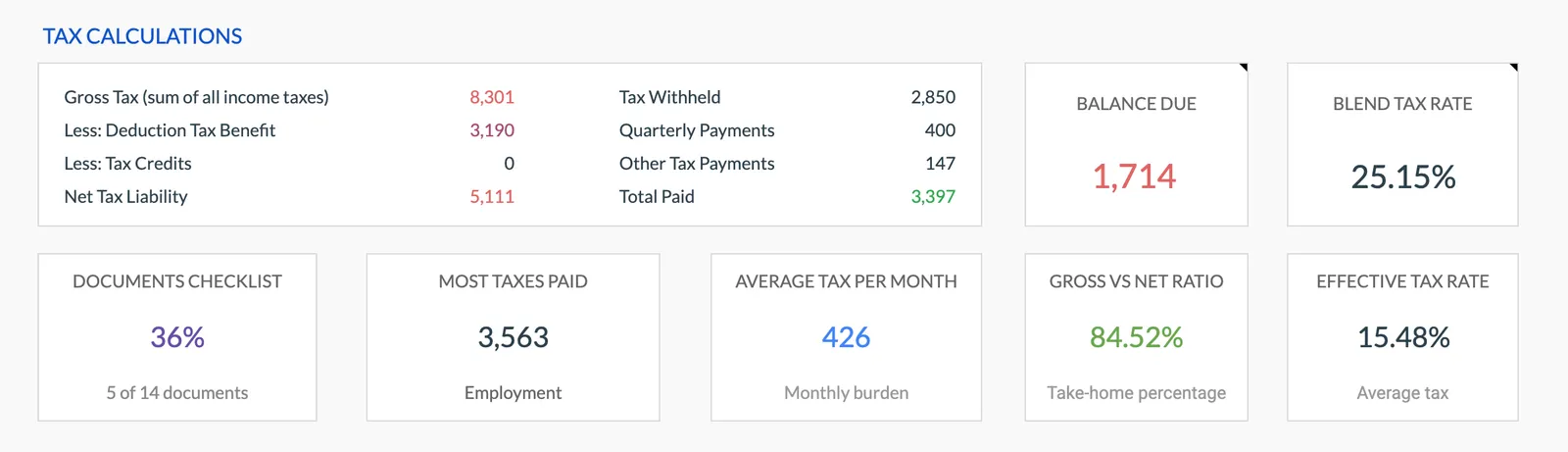
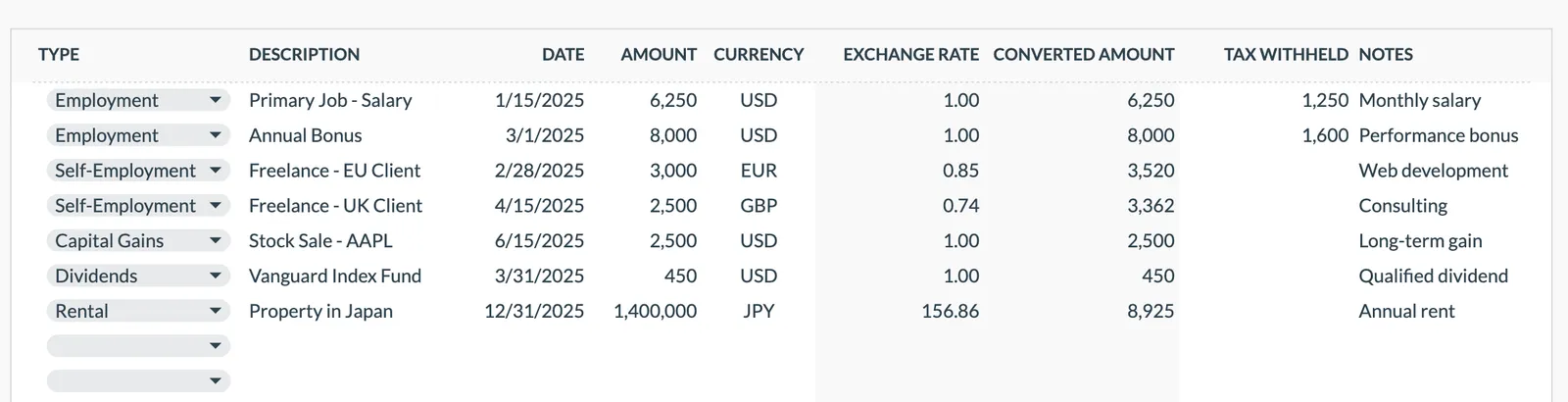
تصفح القالب لمعرفة كيفية تتبعه للدخل والاستقطاعات والإعفاءات ومدفوعات الضرائب الفصلية المقدرة.
- لوحة تحكم نظرة عامة على الضرائب السنوية
- تتبع الدخل حسب المصدر
- منظم الاستقطاعات والإعفاءات
- متتبع المدفوعات الفصلية
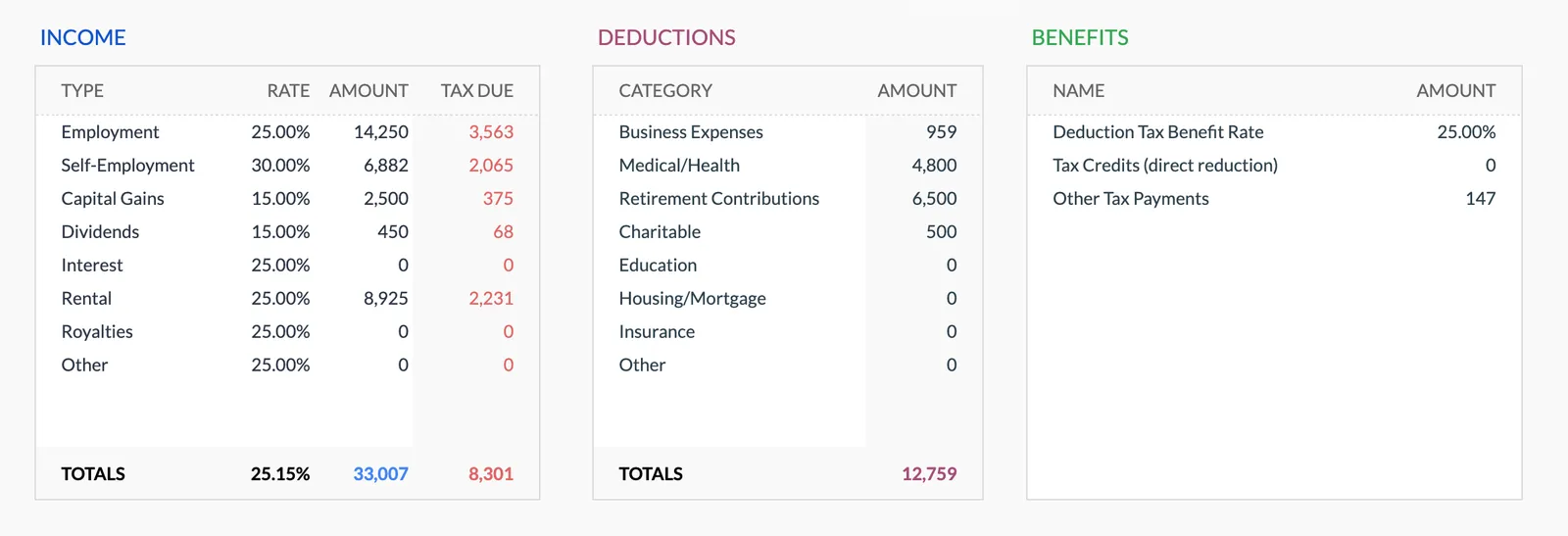
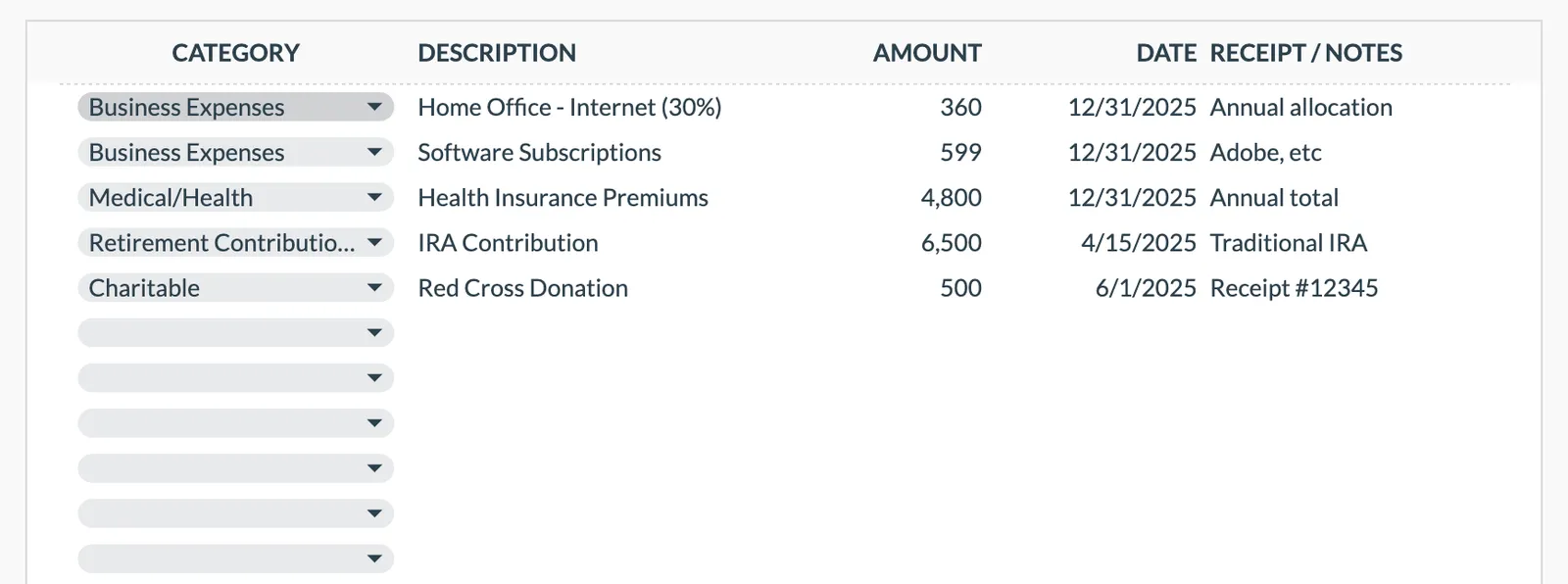
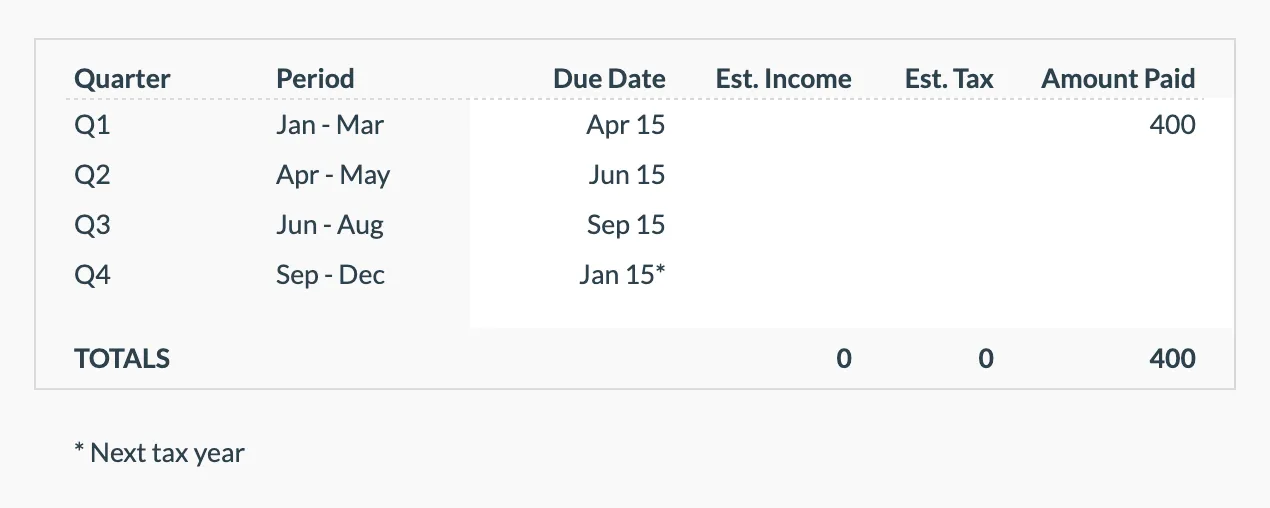
Annual tax overview with key figures
Detailed tax breakdown and projections
Track all income sources for tax purposes
Organize and track tax deductions
Plan and track quarterly estimated tax payments
الأسئلة الشائعة
التخطيط الضريبي في North Carolina - الأسئلة الشائعة
كيف تغير معدل الضريبة الموحد في كارولينا الشمالية بمرور الوقت؟
انتقلت كارولينا الشمالية من الفئات التدريجية إلى معدل موحد قبل أكثر من عقد وظلت تخفض ذلك المعدل باستمرار منذ ذلك الحين. أدرجت الهيئة التشريعية خفضات مجدولة مشروطة بأهداف الإيرادات. المعدل هو 3.99% للسنة الضريبية 2026 [1]، انخفاضاً من 4.25% في 2025 ومن 5.25% قبل بضع سنوات، ويمكن أن تدخل خفضات إضافية حيز التنفيذ اعتباراً من 2027 إذا تحققت محفزات الإيرادات. التحقق من معدل كل سنة ضريبية مفيد لأنه قد يختلف عن السنة السابقة.
كيف تختلف الخصومات المفصلة في كارولينا الشمالية عن الفيدرالية؟
يختار المقدمون في كارولينا الشمالية بين الخصم الموحد للولاية والخصومات المفصلة لكارولينا الشمالية، ويتم هذا الاختيار بشكل مستقل عن الاختيار الفيدرالي. الخصم الموحد للولاية هو $12,750 للمقدمين العزاب و $25,500 للمقدمين معاً للسنة الضريبية 2025. الخصومات المفصلة في كارولينا الشمالية أضيق من القائمة الفيدرالية، إذ تغطي فوائد الرهن العقاري المؤهلة وضرائب الملكية العقارية بحد أقصى $20,000 مجتمعة، إضافة إلى التبرعات الخيرية والنفقات الطبية ونفقات طب الأسنان وسداد دخل حق المطالبة.
هل مساهمات خطة 529 قابلة للخصم في كارولينا الشمالية؟
لا تقدم كارولينا الشمالية خصم ضريبة الدخل الحكومي للمساهمات في خطط الادخار الجامعي 529. هذا اختلاف ملحوظ عن العديد من الولايات الأخرى التي توفر خصم أو ائتمان لمساهمات 529. تستمر الأرباح ضمن 529 في النمو خالية من الضرائب على المستوى الفيدرالي، لكن لا يوجد حافز حكومي خاص بكارولينا الشمالية على مستوى الولاية لتقديم المساهمات.
كيف يؤثر اتفاق Bailey على بعض متقاعدي كارولينا الشمالية؟
بموجب قرار محكمة، موظفو الحكومة الحكومية والمحلية الذين استحقوا حقوقهم في خطة معاشهم قبل 12 أغسطس 1989 معفيون من ضريبة الدخل في كارولينا الشمالية على دخل التقاعد ذاك. هذا يؤثر على عدد متناقص من المتقاعدين بمرور الوقت. بالنسبة للجميع الآخرين، يتم فرض ضريبة على دخل التقاعد (باستثناء الضمان الاجتماعي، الذي معفى تماماً) بمعدل موحد.
هل يعمل هذا النموذج مع خصم كارولينا الشمالية الموحد الإجباري؟
يتتبع النموذج الخصومات الموحدة والمفصلة لأغراض فيدرالية. أما بالنسبة لكارولينا الشمالية، فاستخدم قسم الملاحظات لتسجيل مبلغ الخصم الحكومي بشكل منفصل، لأنه يختلف عن الرقم الفيدرالي. ويتم الاختيار على مستوى الولاية بين الخصم الموحد لكارولينا الشمالية والخصومات المفصلة لكارولينا الشمالية بشكل مستقل عن الاختيار الفيدرالي.
لم تجد الإجابة التي تبحث عنها؟ تواصل مع فريقنا
الموارد الضريبية الرسمية
للاطلاع على المعدلات الحالية والنماذج ومواعيد تقديم الإقرارات الضريبية الخاصة بـ North Carolina:
Sources
نظّم تخطيطك الضريبي لولاية North Carolina
شراء لمرة واحدة. بدون اشتراك. بياناتك المالية تبقى في Google Drive الخاص بك.
Tax rules, rates, and contribution limits change, and official publications can themselves lag behind the law in force. We review these figures on a best-effort basis against sources we consider authoritative, but we cannot guarantee they are current, complete, or that better sources do not exist, and nothing here is tax, legal, or financial advice. For decisions, the relevant government authority is the reference. Last reviewed: August 2026.