超值优惠 一站式财务规划套餐
✓ 财务规划✓ 净资产追踪器✓ 月度预算✓ 旅行预算规划器✓ 年度预算规划器✓ 月度支出追踪器✓ 年度税务规划器✓ 退休规划
查看套餐 →

Connecticut

Tax Planner Template for Connecticut

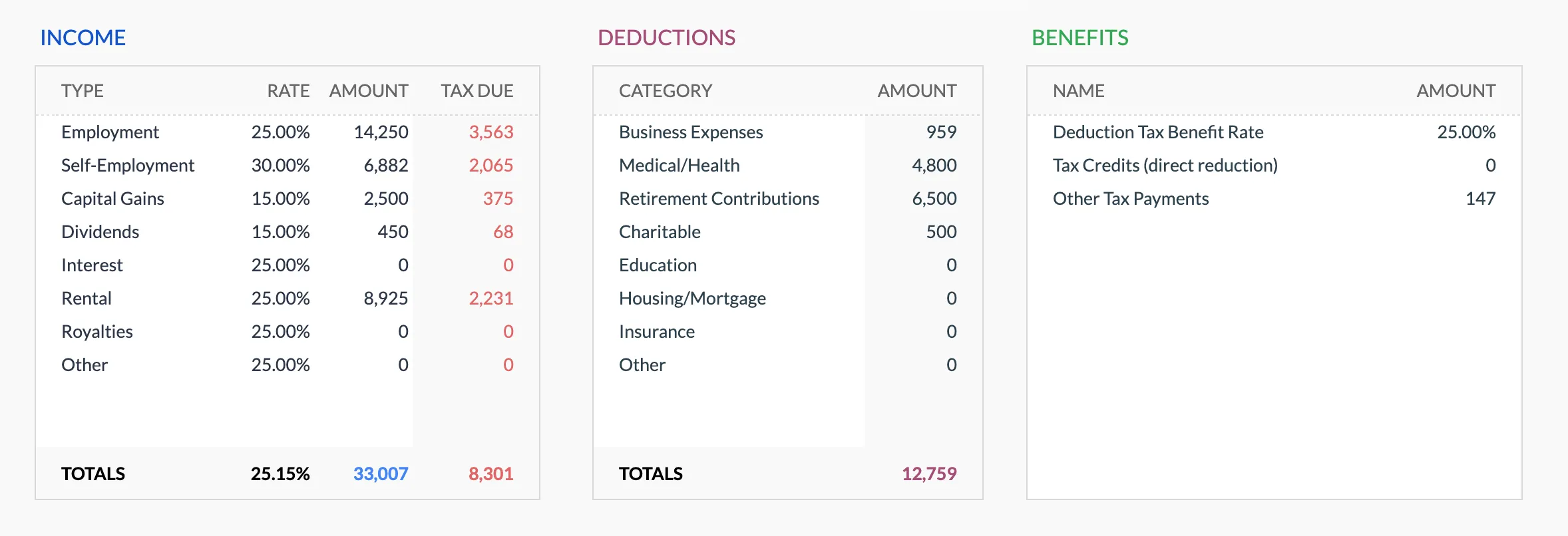
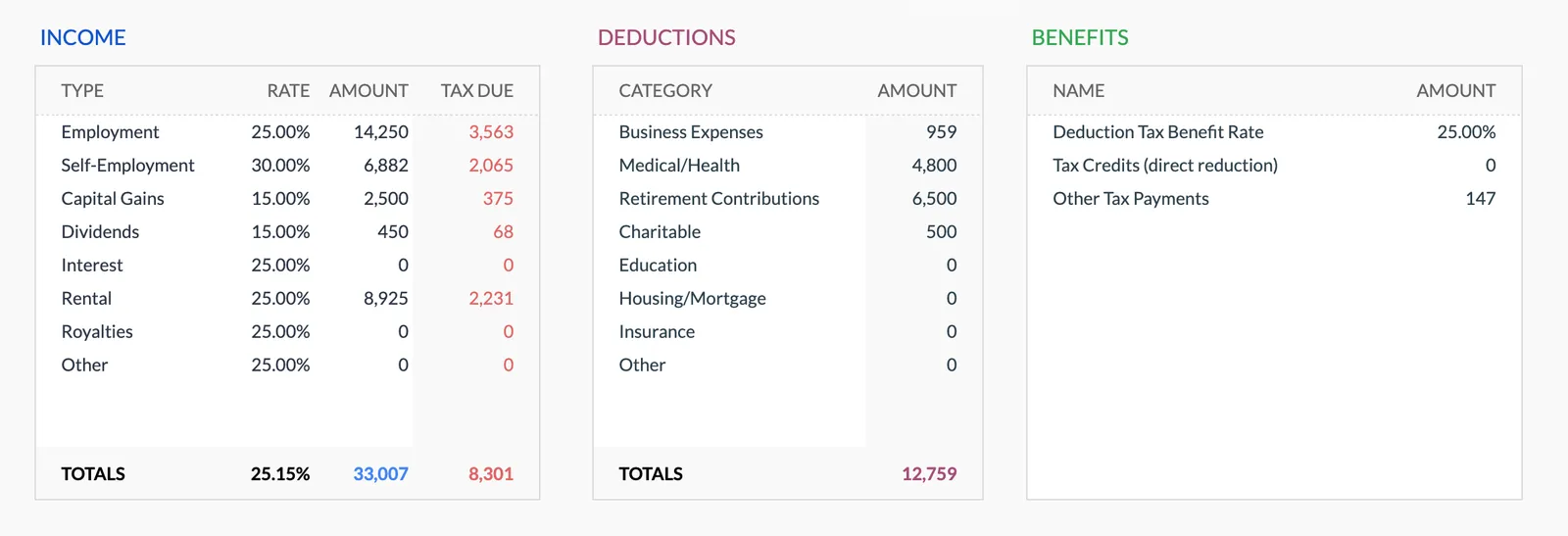
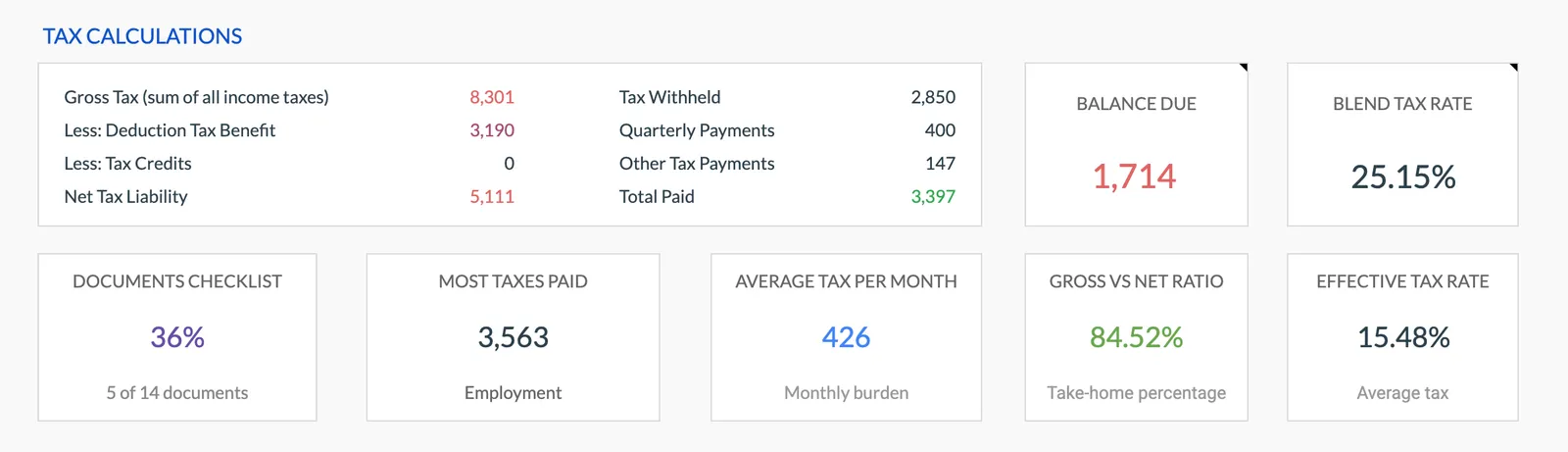
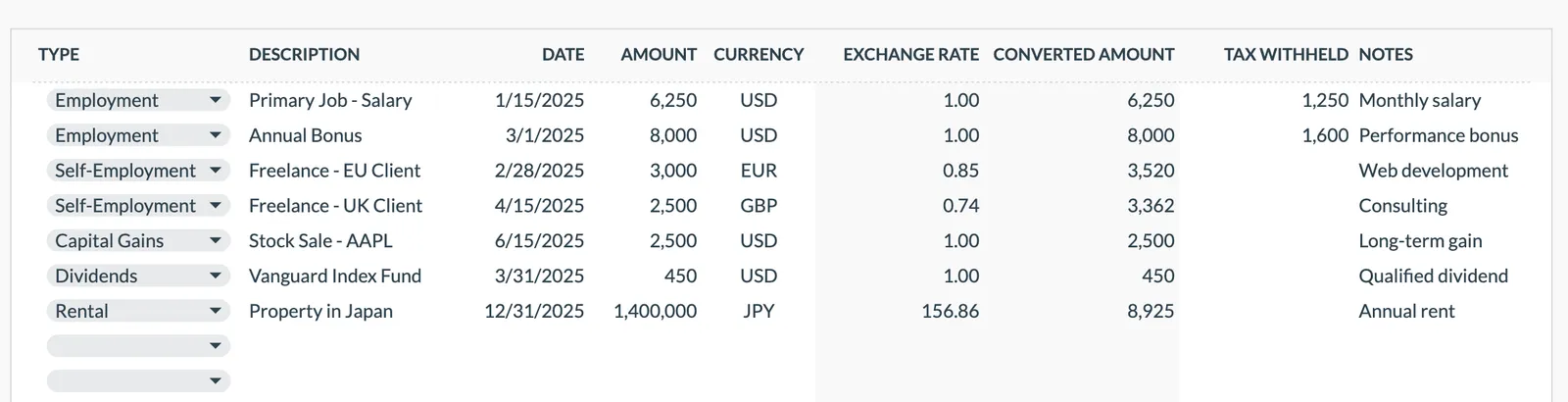
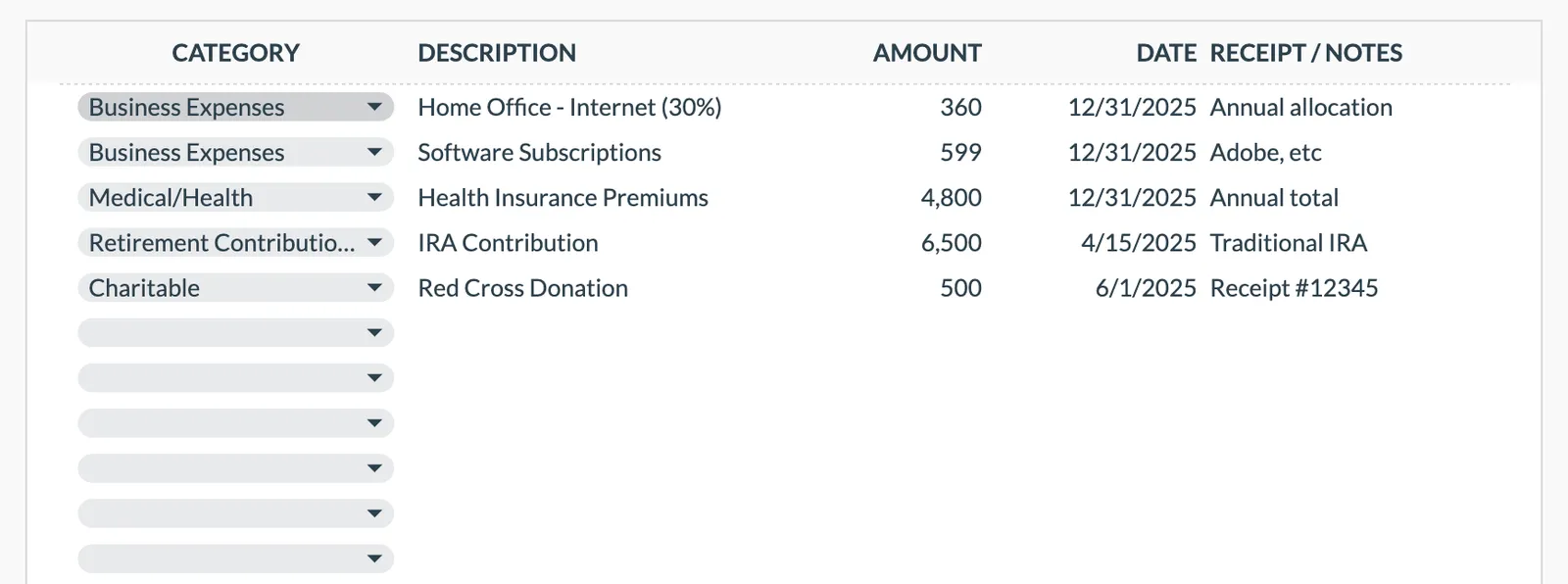
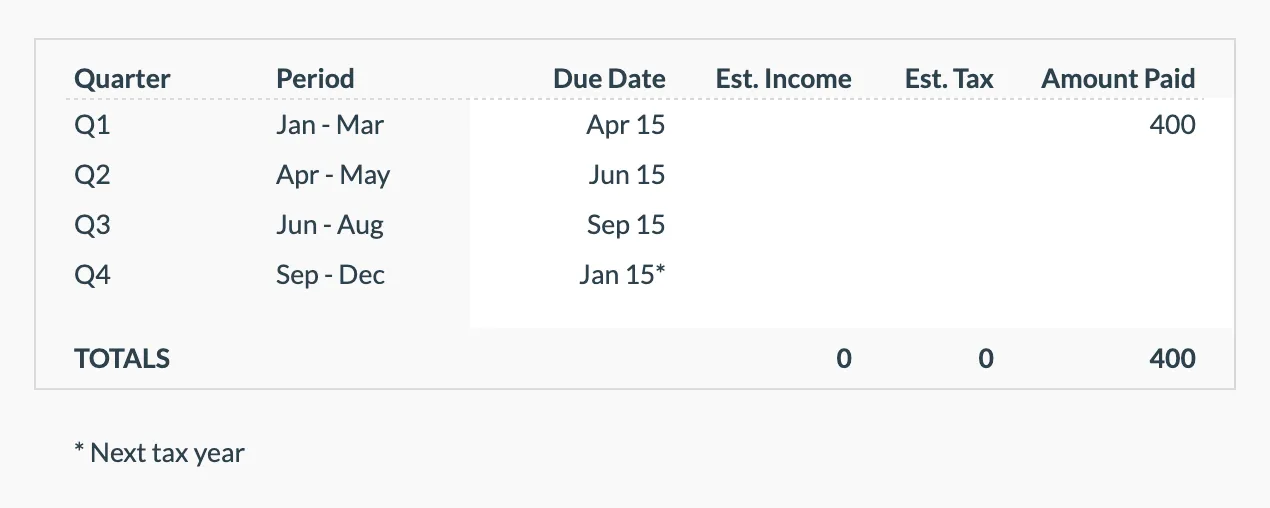
Organize your federal and Connecticut state tax planning in one spreadsheet. Track income, deductions, and the state income tax surcharge.

一次性购买 Google Sheets 您的数据保持私密
Annual Tax Planner template for Connecticut residents

In Depth

Navigating Connecticut's Layered Tax Structure

Connecticut's income tax is more layered than it appears at first glance. Beyond the graduated brackets - which already include more tiers than most states - there is an additional surcharge mechanism that can increase the effective rate for higher-income filers. The surcharge is calculated based on the difference between your tax at the stated rates and a recalculated amount, which means the actual top effective rate can exceed the published top bracket rate.

Property taxes in Connecticut are among the highest in the nation, and they vary significantly by municipality. Towns in Fairfield County near New York City tend to have high assessed values, while cities like Hartford and Bridgeport have high mill rates. Either way, many Connecticut households reach the federal SALT deduction cap from property taxes alone, before even accounting for state income tax. Tracking both together gives a clearer picture of the overall federal deduction situation.

Connecticut also maintains its own estate tax with an exemption threshold that has historically been lower than the federal exemption. This means some estates that owe nothing at the federal level may still face a Connecticut estate tax. For residents doing long-term financial planning, this is a factor that distinguishes Connecticut from most other states in the region.

Connecticut

Tax Planning in Connecticut

Connecticut has a graduated income tax with rates that can be complex due to additional surcharges on higher incomes. Organized planning helps residents manage both federal and state tax obligations.

1

Graduated Rates with Surcharge

Connecticut has a graduated income tax with multiple brackets. Higher-income earners may also face an additional surcharge that effectively increases the top rate. The rate structure has many brackets, making it more complex than most states.

2

Property Tax

Connecticut has some of the highest property taxes in the nation. These are deductible on federal returns up to the SALT deduction cap.

3

Retirement Income

Connecticut provides a partial exemption for Social Security benefits based on income thresholds. Pension income and 401(k) distributions are generally taxable, though some exemptions may apply for lower-income retirees.

4

Estate Tax

Connecticut has a state estate tax with an exemption threshold that differs from the federal exemption. This is relevant for long-term estate planning and can affect how residents structure their finances.

获取年度税务规划表

追踪收入和扣除项 一次性购买 永久免费更新

入门指南

Getting Started with Connecticut Tax Planning

1

Enter income and flag high-income surcharge thresholds

Add all income sources - wages, self-employment, investments, and other earnings. Connecticut's graduated rates range from 3% to 6.99%, but an additional surcharge mechanism can push the effective top rate higher. Tracking total income accurately is important because the surcharge calculations depend on it.

2

Review the property tax credit

Connecticut offers a property tax credit on the state income tax return for eligible filers. If you pay property tax on your primary residence (and Connecticut property taxes are among the highest [2] in the nation), note the amount paid so you can estimate whether you qualify for this credit against your state income tax.

3

Track pass-through entity tax if applicable

Connecticut has a pass-through entity tax (PET) that allows S corporations, partnerships, and LLCs to pay state tax at the entity level. If you receive income from a pass-through entity that elects this treatment, it affects how you report income and claim credits on your individual return. Use the notes section to track PET credits.

4

Enter earned income for EITC eligibility

Connecticut offers its own earned income tax credit, calculated as a percentage of the federal EITC. If you qualify for the federal credit, enter your earned income details so you can estimate the state-level credit as well. The Connecticut EITC is a meaningful benefit for lower- and moderate-income working households.

5

Monitor your SALT deduction situation

With Connecticut's high property taxes and state income tax rates, many residents hit the federal SALT deduction cap quickly. Track both property taxes and state income tax together to see how much of your combined state and local taxes falls under the cap versus the portion that provides no federal deduction.

常见问题

Tax Planning in Connecticut - FAQ

How does Connecticut's income tax surcharge work?

Connecticut has a graduated income tax with rates from 3% [1] to 6.99%. Beyond the standard brackets, an additional surcharge mechanism can increase the effective rate for higher-income filers. The surcharge is calculated based on the difference between your tax at the stated rates and a recalculated amount, which means the actual top effective rate can exceed the published 6.99% bracket rate depending on income level and filing status.

Does Connecticut offer a property tax credit on the state return?

Yes. Connecticut provides a property tax credit that can be claimed against state income tax liability. The credit is available to eligible homeowners and is based on property taxes paid on a primary residence. Given that Connecticut has some of the highest property taxes in the nation, this credit can provide meaningful relief for qualifying filers.

What is Connecticut's pass-through entity tax?

Connecticut allows pass-through entities (S corporations, partnerships, and LLCs) to elect to pay state income tax at the entity level. Owners then receive a credit on their individual Connecticut return for their share of the entity-level tax paid. This was designed partly as a workaround for the federal SALT deduction cap, since the entity-level tax is deductible as a business expense rather than being subject to the individual SALT cap.

Does Connecticut have an earned income tax credit?

Yes. Connecticut offers a state earned income tax credit calculated as a percentage of the federal EITC. If you qualify for the federal credit, the Connecticut credit provides additional relief. The state credit percentage has been increased in recent years, making it a more significant benefit for eligible working households.

How are retirement income and Social Security taxed in Connecticut?

Connecticut provides a partial exemption for Social Security benefits based on income thresholds. Filers with adjusted gross income below certain levels can exempt all or a portion of their Social Security from state tax. Pension income and 401(k) distributions are generally taxable, though some exemptions may apply for lower-income retirees. Teacher and state employee pensions have specific provisions worth checking.

Can't find the answer you're looking for? Contact our team

Sources

  1. [1]Connecticut Department of Revenue Services - Individual Income Tax
  2. [2]Tax Foundation - Connecticut Tax Profile

Organize your tax planning for Connecticut

一次性购买。无需订阅。您的财务数据保存在您的 Google Drive 中。