New Hampshire
Modello Pianificatore Fiscale per New Hampshire
Organizzi la Sua pianificazione fiscale federale per New Hampshire in Google Sheets. New Hampshire non applica alcuna imposta sul reddito da lavoro, sebbene gli interessi e i dividendi siano stati tassati fino all'anno fiscale 2024.
In Depth
New Hampshire Dopo l'Imposta su Interessi e Dividendi
New Hampshire non ha mai tassato salari o stipendi a livello statale. Per anni, tuttavia, lo stato ha applicato un'imposta sul reddito da interessi e dividendi, l'Imposta su Interessi e Dividendi. Questa imposta è stata gradualmente ridotta ed è ora completamente abrogata, il che rende New Hampshire uno stato realmente privo di imposta sul reddito su tutti i tipi di reddito. L'imposta è terminata con l'anno fiscale 2024, quindi alcuni residenti potrebbero ricordare ancora la presentazione della dichiarazione dell'imposta I&D.
Senza alcuna imposta sul reddito, New Hampshire dipende pesantemente dalle imposte sulla proprietà per le entrate del governo locale. Le aliquote dell'imposta sulla proprietà a New Hampshire sono tra le più alte della nazione, guidate in parte dal fatto che non esiste alcuna imposta sulle vendite generale o imposta sul reddito per condividere l'onere fiscale. I comuni finanziano le scuole, le strade e i servizi in gran parte attraverso valutazioni immobiliari. Ciò significa che la linea dell'imposta sulla proprietà è spesso la più grande spesa fiscale per i proprietari di case a New Hampshire.
Lo stato "Live Free or Die" inoltre non ha alcuna imposta sulle vendite generale, sebbene tassi i pasti, le camere (soggiorno in hotel) e determinati altri articoli. Per scopi fiscali federali, i residenti di New Hampshire possono detrarre solo le imposte sulla proprietà (fino al limite SALT) poiché non esiste alcuna imposta sul reddito dello stato da detrarre. Ciò rende il limite SALT leggermente meno restrittivo che negli stati in cui le imposte sul reddito e sulla proprietà competono per la stessa detrazione limitata.
New Hampshire
Pianificazione Fiscale in New Hampshire
New Hampshire non tassa il reddito da lavoro (salari e stipendi). Lo stato precedentemente tassava il reddito da interessi e dividendi, ma questa imposta è stata completamente abrogata. La pianificazione fiscale federale rimane l'obiettivo principale.
Nessuna Imposta sul Reddito dello Stato
New Hampshire non applica un'imposta sul reddito dello stato sul reddito da lavoro. Ciò significa che i residenti devono pianificare solo le imposte federali sui salari. Tuttavia, si applicano ancora altre tasse.
L'Imposta Federale Si Applica Comunque
Anche senza un'imposta sul reddito dello stato, i residenti di New Hampshire devono le imposte federali. Il Pianificatore Fiscale Annuale aiuta a tenere traccia dei scaglioni federali, delle deduzioni e dei crediti per mantenere chiara la sua situazione fiscale.
Imposta su Interessi e Dividendi Abrogata
New Hampshire precedentemente tassava il reddito da interessi e dividendi, ma questa imposta è stata completamente eliminata. I residenti ora non pagano alcuna imposta sul reddito dello stato su alcun tipo di reddito.
Considerazioni sul Reddito da Pensione
L'assenza di un'imposta sul reddito dello stato a New Hampshire può essere favorevole al reddito da pensione, inclusa la previdenza sociale, le pensioni e le distribuzioni 401(k). L'imposta federale sul reddito da pensione si applica ancora e merita di essere monitorata.
Ottieni il Pianificatore Fiscale Annuale
Per Iniziare
Iniziare con la Pianificazione Fiscale di New Hampshire
Inserisca il reddito senza complicazioni fiscali dello stato
Aggiunga tutte le fonti di reddito - salari, lavoro autonomo, interessi, dividendi e investimenti. Poiché l'Imposta su Interessi e Dividendi di New Hampshire è stata completamente abrogata nel 2025, nessuno di questi redditi affronta la tassazione dello stato. Il modello si concentra interamente sui suoi scaglioni e aliquote federali, che sono l'unica imposta sul reddito che i residenti di New Hampshire devono.
Monitora attentamente l'imposta sulla proprietà per la detrazione SALT
Le imposte sulla proprietà di New Hampshire sono tra le più alte del paese, e poiché non esiste alcuna imposta sul reddito o imposta sulle vendite generale, l'imposta sulla proprietà è generalmente l'unico elemento di detrazione SALT disponibile. Inserisca l'imposta sulla sua proprietà per città - le aliquote variano considerevolmente tra città come Portsmouth, Concord e cittadine più piccole. In alcune comunità, l'imposta sulla proprietà da sola può raggiungere il limite SALT federale.
Configuri i pagamenti stimati per il lavoro autonomo e il reddito da investimento
Con l'imposta I&D eliminata, gli unici pagamenti stimati che i residenti di New Hampshire devono effettuare sono federali. Per i liberi professionisti, i proprietari di piccole imprese e i pensionati con reddito da investimento, il tracker trimestrale aiuta a gestire i termini dell'IRS. Non c'è alcun pagamento di imposta stimato dello stato di cui preoccuparsi.
Confronti la sua situazione fiscale prima e dopo l'abrogazione I&D
Se in precedenza pagava l'Imposta su Interessi e Dividendi, il Suo quadro fiscale complessivo si è semplificato. Il modello ora mostra un obbligo puramente federale. Per i residenti con un reddito significativo da interessi o dividendi, l'abrogazione significa che quei dollari vengono tassati una sola volta, a livello federale, invece di affrontare sia l'imposta federale sia la precedente Imposta su Interessi e Dividendi dello stato [1].
Guarda in Azione
Come appare il pianificatore fiscale
Esplora il modello per vedere come tiene traccia di redditi, detrazioni, crediti e pagamenti trimestrali stimati.
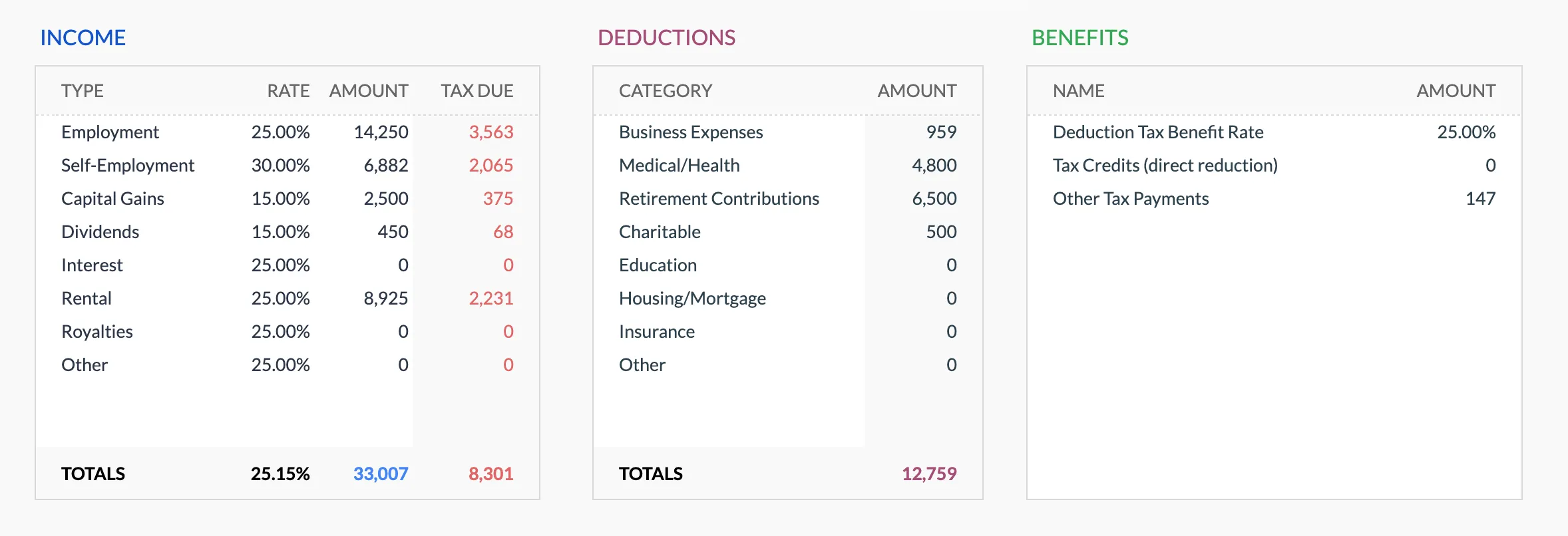
- Dashboard di riepilogo fiscale annuale
- Monitoraggio del reddito per fonte
- Organizzatore di detrazioni e crediti
- Registro dei pagamenti trimestrali
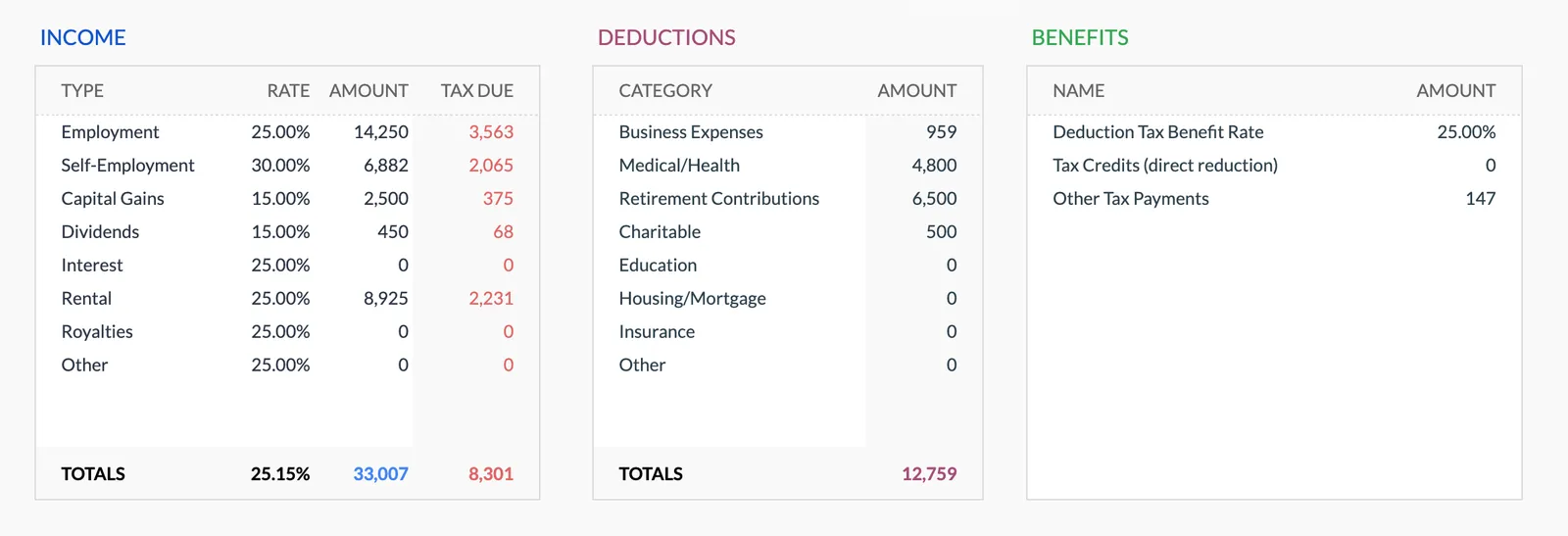
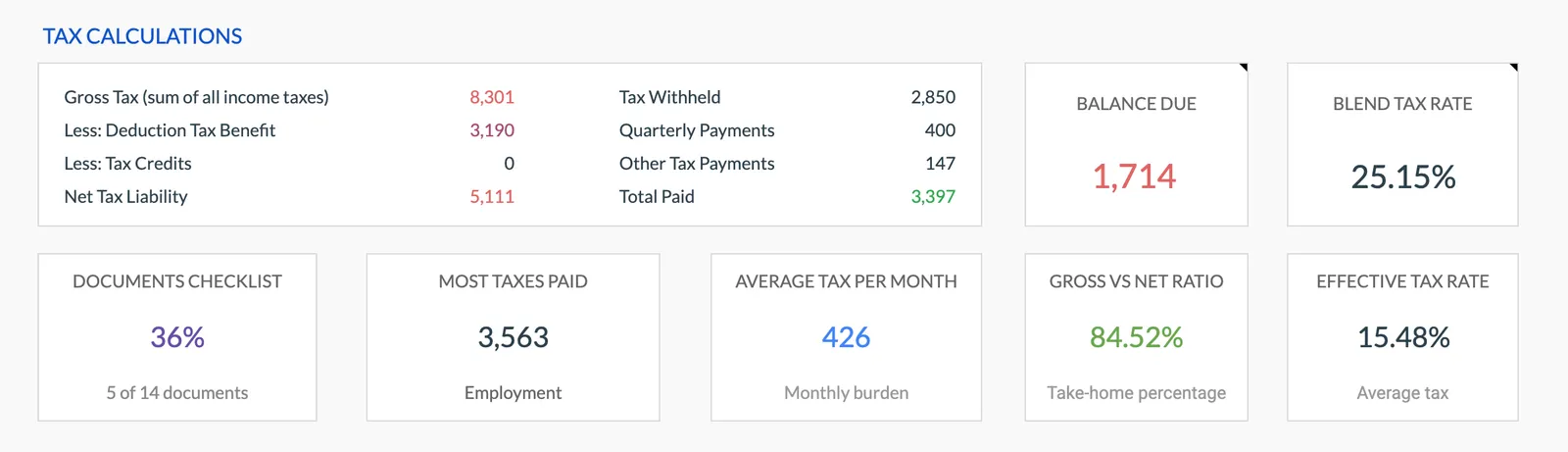
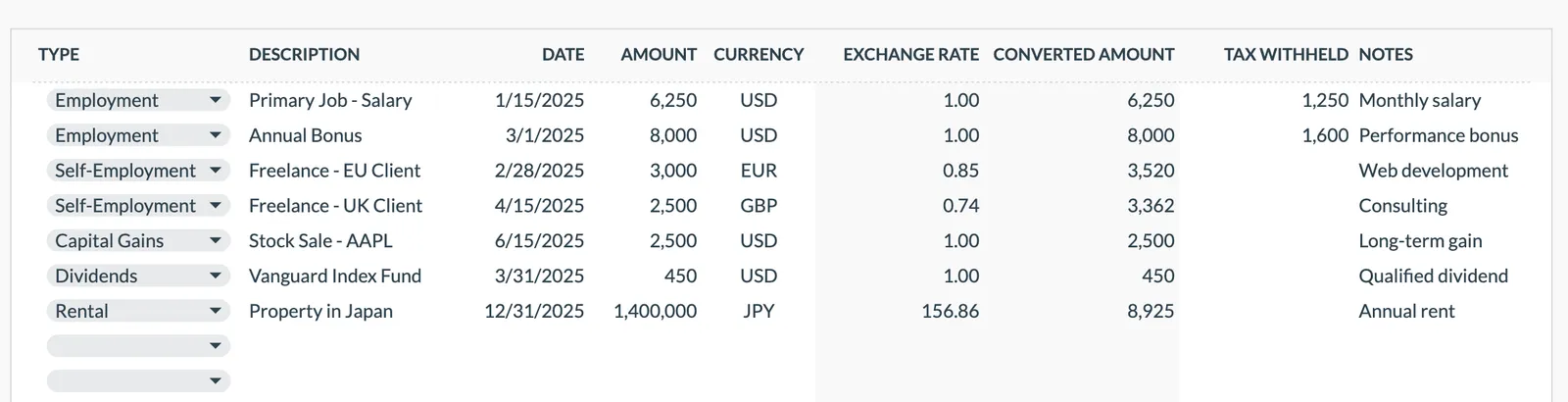
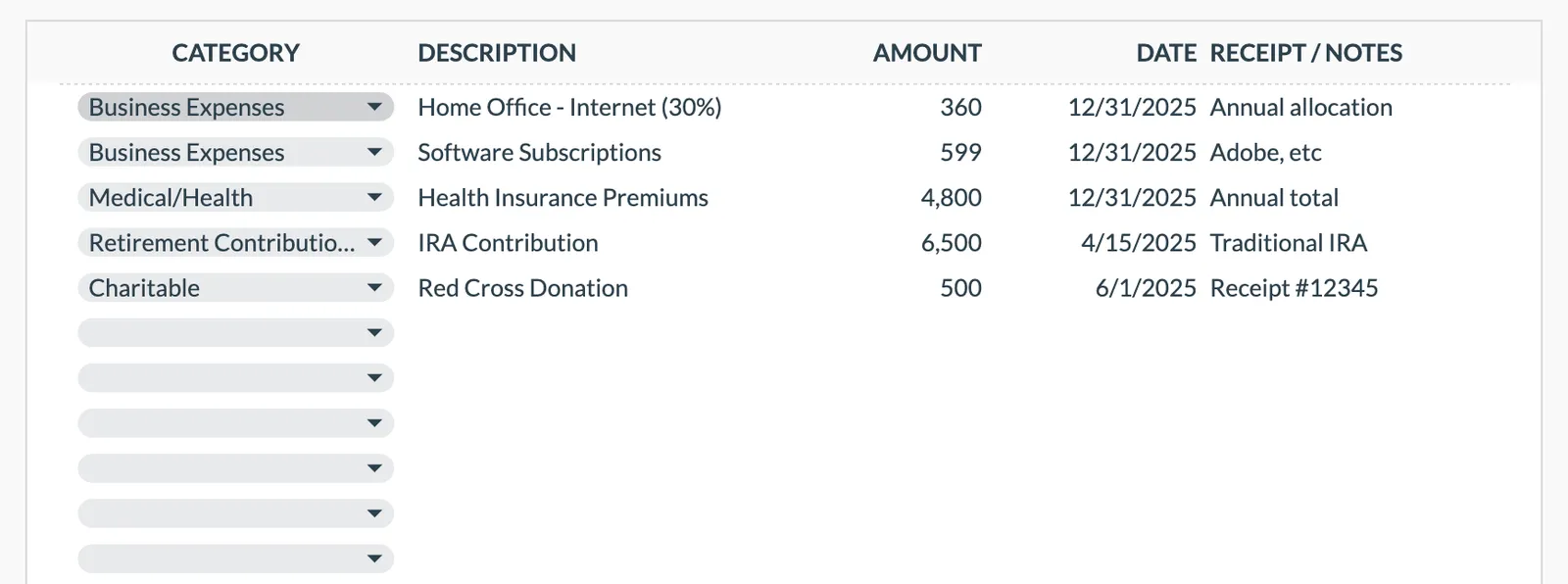
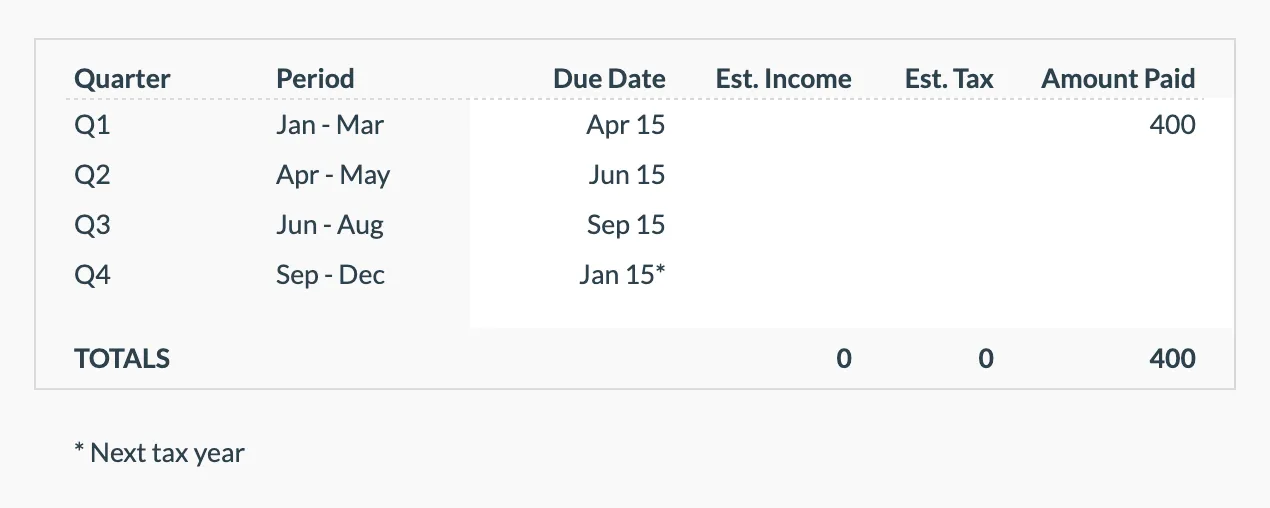
Annual tax overview with key figures
Detailed tax breakdown and projections
Track all income sources for tax purposes
Organize and track tax deductions
Plan and track quarterly estimated tax payments
Domande Frequenti
Pianificazione fiscale in New Hampshire - FAQ
New Hampshire tassa ora alcun reddito?
No. New Hampshire non ha mai tassato i salari o gli stipendi, e l'Imposta su Interessi e Dividendi che si applicava precedentemente al reddito da interessi e dividendi è stata completamente abrogata a partire da gennaio 2025. I residenti ora non pagano alcuna imposta sul reddito dello stato su alcun tipo di reddito. L'imposta federale sul reddito è l'unica obbligazione di imposta sul reddito per i residenti di New Hampshire.
Come influiscono le alte imposte sulla proprietà di New Hampshire sulla pianificazione fiscale?
New Hampshire dipende pesantemente dalle imposte sulla proprietà per finanziare i servizi locali e le scuole poiché non esiste alcuna imposta sul reddito o imposta sulle vendite generale. Le aliquote dell'imposta sulla proprietà sono tra le più alte [2] della nazione, e variano significativamente per città. Per la pianificazione fiscale federale, l'imposta sulla proprietà è spesso l'unico elemento che i residenti di New Hampshire possono rivendicare verso la detrazione SALT. In alcune città, l'imposta sulla proprietà da sola può avvicinarsi o superare il limite SALT.
C'è un'imposta sulle vendite a New Hampshire?
New Hampshire non ha alcuna imposta sulle vendite generale. Lo stato tassa i pasti e le camere (soggiorno in hotel) a un'aliquota fissa, ma non c'è alcuna imposta sulle vendite su merci. Ciò significa che i residenti di New Hampshire non possono rivendicare una detrazione dell'imposta sulle vendite nella loro dichiarazione federale - la detrazione SALT è limitata alle sole imposte sulla proprietà. Alcuni residenti ritengono che ciò semplifichi la decisione sulla detrazione federale.
Cosa è cambiato con l'abrogazione dell'Imposta su Interessi e Dividendi?
New Hampshire applicava una tassa del 5% sul reddito da interessi e dividendi al di sopra di un piccolo importo di esenzione. Questa tassa è stata gradualmente ridotta nel corso di diversi anni e completamente abrogata a partire dal 2025. I residenti con conti di investimento, interessi di risparmio o azioni che pagano dividendi non hanno più bisogno di presentare la dichiarazione dell'imposta I&D separata che era precedentemente richiesta. Tutto il reddito da investimento è ora soggetto solo all'imposta federale.
Perché utilizzare un pianificatore fiscale nello stato "Live Free or Die"?
L'imposta federale sul reddito si applica comunque completamente ed è complessa - scaglioni multipli, decisioni di deduzioni, idoneità del credito e scadenze di pagamento stimate. Per i lavoratori autonomi o coloro con reddito da investimento, il monitoraggio dei pagamenti federali stimati trimestrali è l'esigenza di pianificazione principale. Il modello aiuta anche a tenere traccia dell'imposta sulla proprietà per la detrazione SALT federale, che è importante in uno stato dove le imposte sulla proprietà sono così alte come a New Hampshire.
Non trovi la risposta che cerchi? Contatta il nostro team
Risorse fiscali ufficiali
Per aliquote aggiornate, moduli e scadenze di presentazione specifici per New Hampshire:
Sources
Organizza la tua pianificazione fiscale per New Hampshire
Acquisto una tantum. Nessun abbonamento. I tuoi dati finanziari rimangono nel tuo Google Drive.
Tax rules, rates, and contribution limits change, and official publications can themselves lag behind the law in force. We review these figures on a best-effort basis against sources we consider authoritative, but we cannot guarantee they are current, complete, or that better sources do not exist, and nothing here is tax, legal, or financial advice. For decisions, the relevant government authority is the reference. Last reviewed: August 2026.